The period between the First and Second World Wars was one of challenge, resilience, and significant progress for Garforth Golf Club — a time that helped shape the club we know today.
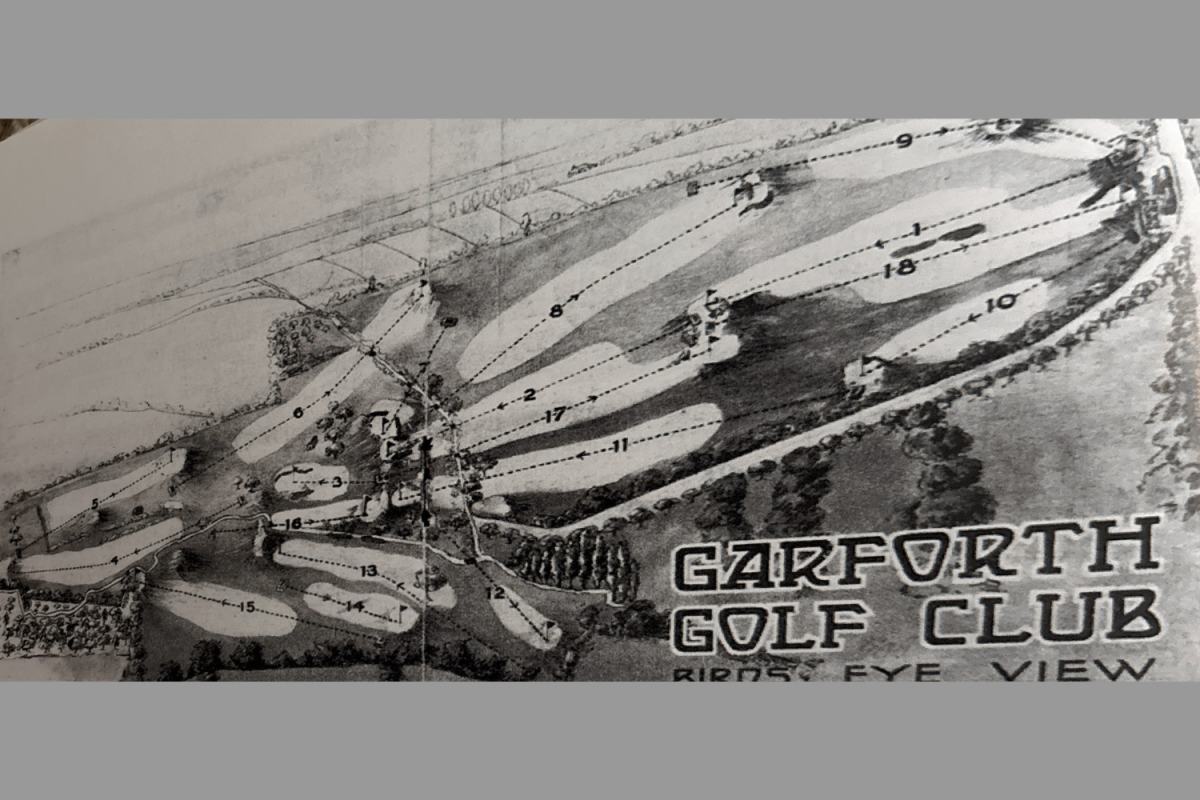
Like so many clubs across the country, Garforth was deeply affected by the outbreak of the First World War. Many members were called up for military service, which inevitably placed financial strain on the club. In 1916, part of the course at the Barnbow end was requisitioned by the War Office, forcing the course to be reduced to just 11 holes. This arrangement remained in place until 1919, when the club was able to return to a full 18-hole course, albeit one that was understandably in poor condition after years of disruption.
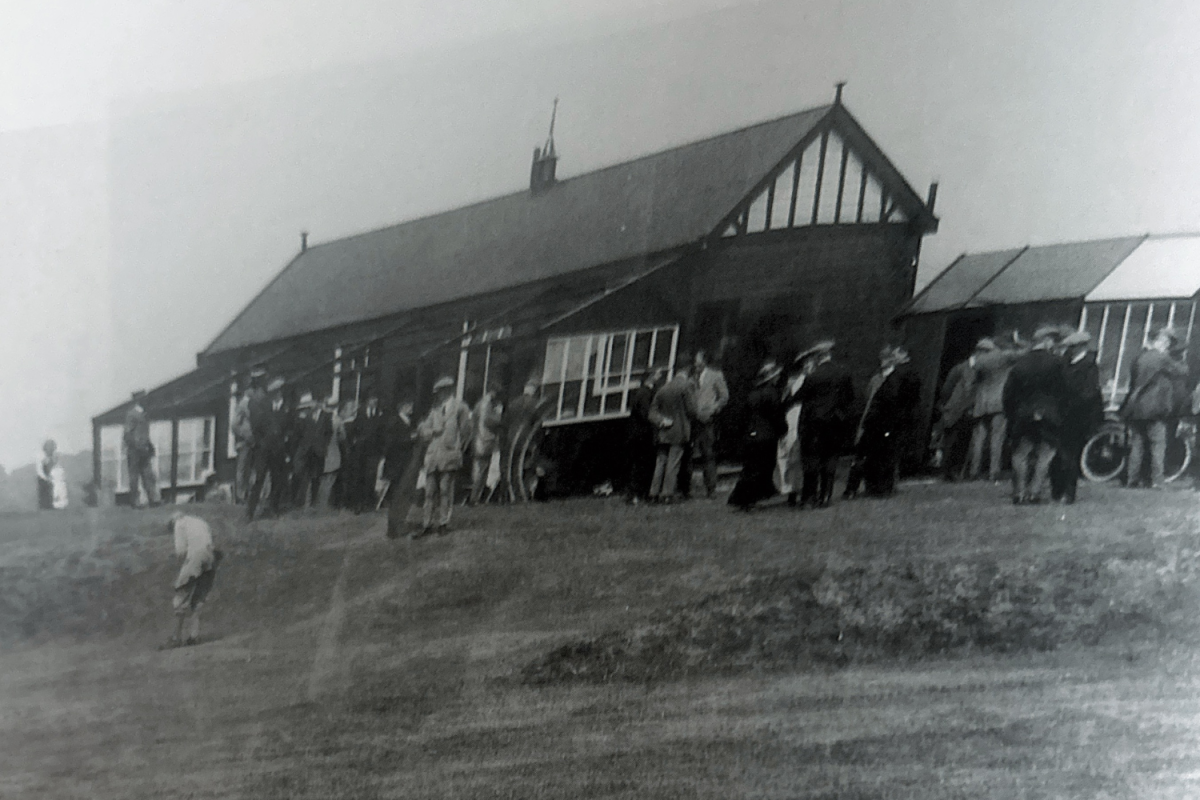
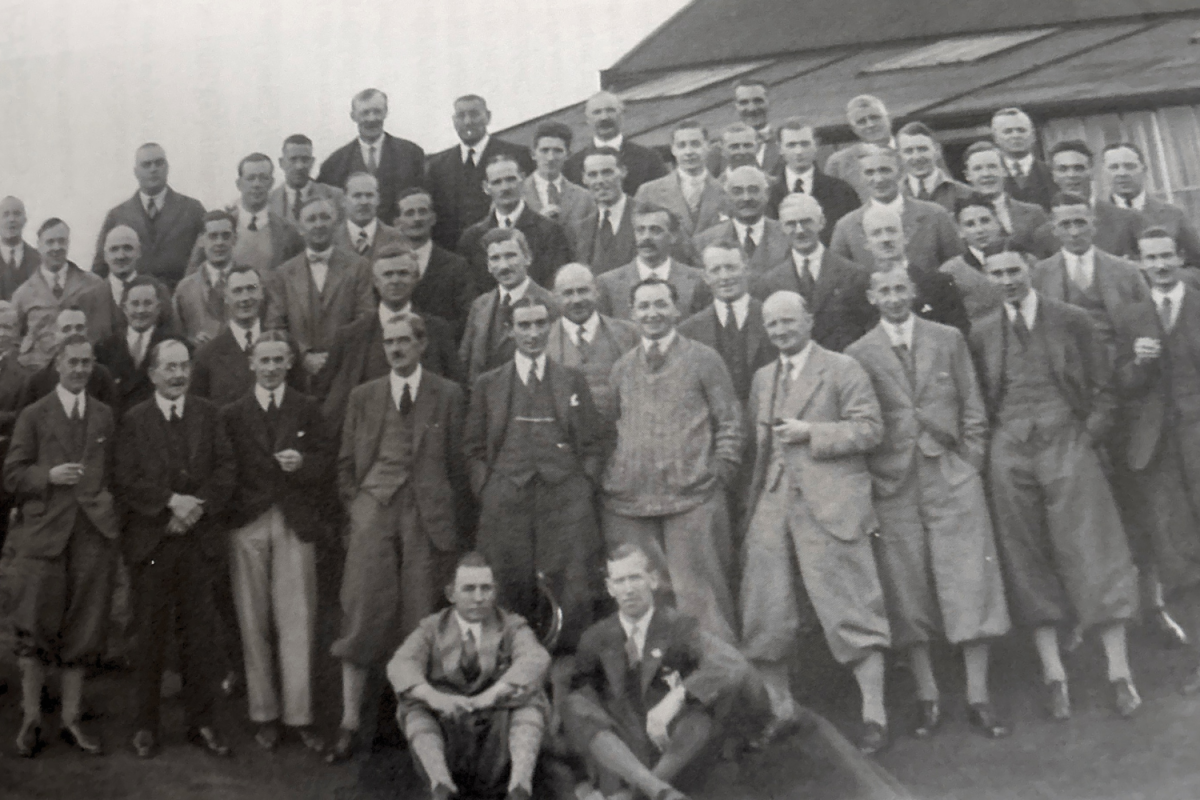
Despite these challenges, the post-war years marked the beginning of a steady recovery. By the end of 1920, membership had grown to 346 members, and the club joined the newly formed Union of Leeds & District Golf Clubs, an important step in strengthening Garforth’s standing within the local golfing community. Around this same time, the original clubhouse was extended, reflecting renewed confidence and ambition.
The early 1920s also saw important developments in the club’s sporting and social life. In 1922, the Ladies’ section first competed for the (Welcome) Ladies Rose Bowl, a competition that remains proudly played to this day — a lasting link between the club’s past and present.
Progress continued throughout the decade, and in 1925, the club entered a new era of course maintenance with the purchase of its first tractor — signalling that horsepower of the equine variety was no longer required!
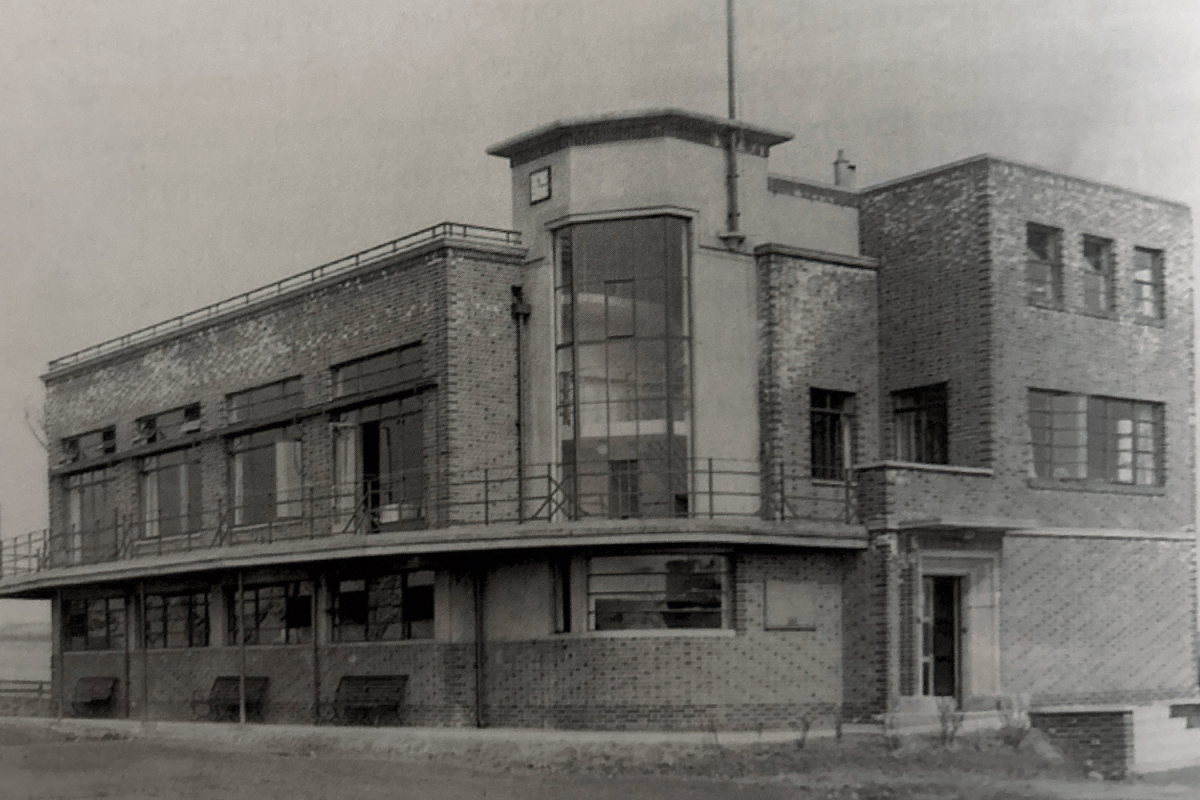
By the mid-1930s, attention turned once again to the clubhouse. In 1935, plans were drawn up for a new clubhouse on the site where the clubhouse stands today. A Special General Meeting was arranged, and the proposals were approved by the membership. To accommodate the new building, additional land was required, and the club successfully purchased one extra acre from Colonel Gascoigne.
The new clubhouse was officially opened in 1937 by the Lord Mayor of Leeds, marking a proud milestone in the club’s history. Part of the original wooden clubhouse was retained and repurposed as the professional’s shop — a fitting nod to Garforth’s roots.
Shortly after the opening of the new clubhouse, the numbering of the two loops of nine holes was switched, meaning the front nine became the back nine, and vice versa — a change that still shapes the course layout today.
The years between the wars were far from easy, but they were defining. Through adversity, growth, and forward-thinking decisions, Garforth Golf Club emerged stronger — laying foundations that continue to support the club nearly a century later